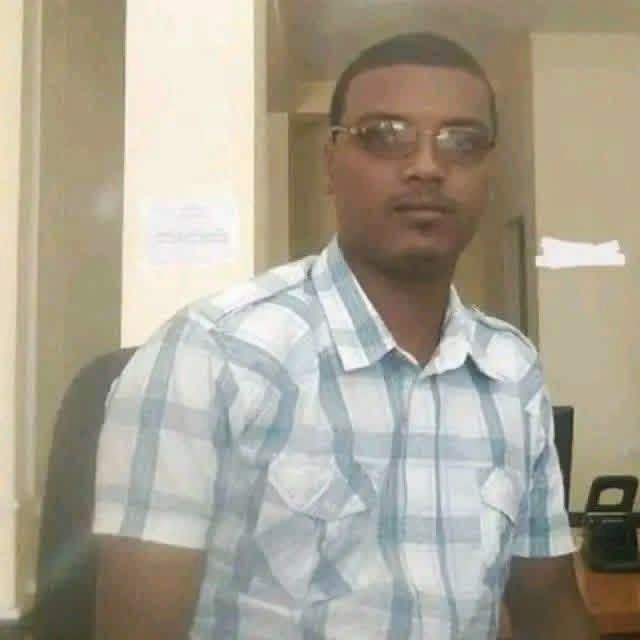
Birhaanuu (also known as Birraa) Ayyaanaa
In the Barbaree District of the Baalee Zone, a peaceful man named Birhaanuu Ayyaanaa has been detained and subjected to suffering for over 10 months.
This individual has committed no crime; he was traveling from Finfinnee (Addis Ababa) to visit his family when he was arrested under the accusation of being “Shane.” He is being held because he is a member of the OLF, and his family is deeply worried about his well-being.
The Circumstances of Detention
Birhaanuu was a private citizen traveling from Finfinnee (Addis Ababa) to visit his family—a routine act of familial connection. However, this journey was interrupted by his arrest under the accusation of being “Shane.” For over 10 months, he has remained in detention, despite a lack of formal evidence presented against him. His affiliation as a member of the Oromo Liberation Front (OLF) appears to be the primary driver behind his continued incarceration, highlighting a trend where political identity can lead to severe legal consequences.
Political Targeting: This case underscores a worrying pattern where the Ethiopian regime may detain individuals without evidence, particularly those who are politically active or belong to opposition groups.
Note: The Ethiopian regime continues to detain individuals without any evidence, particularly those who are politically engaged.
They tried to erase a life.
They tried to silence a voice.
They tried to bury the truth.
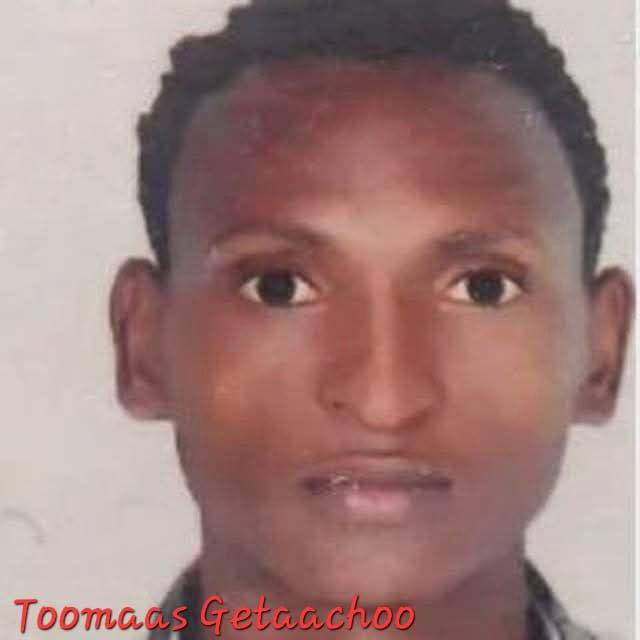
Thomas Getachew, an Oromo activist, was killed — not only with bullets, but with an attempt to wipe away his existence. Shot. Discarded. Denied dignity even in death. His body was hidden, his name concealed, as if the truth could be buried alongside him.
But truth does not disappear.
It lives in those who survived.
Taarikuu Milkiyaas endured six bullets and still lives to tell what happened.
Eebbisaa Taaddasaa walked out of prison alive.
Witnesses have come forward. Officials have confirmed what was done.
What was meant to be hidden is now exposed.
What was meant to be forgotten is now remembered.
This is not just one story — it is a reflection of a deeper injustice that cannot be ignored.
We will speak. We will remember. We will demand accountability.
Because the truth cannot be killed.
And justice cannot be buried.
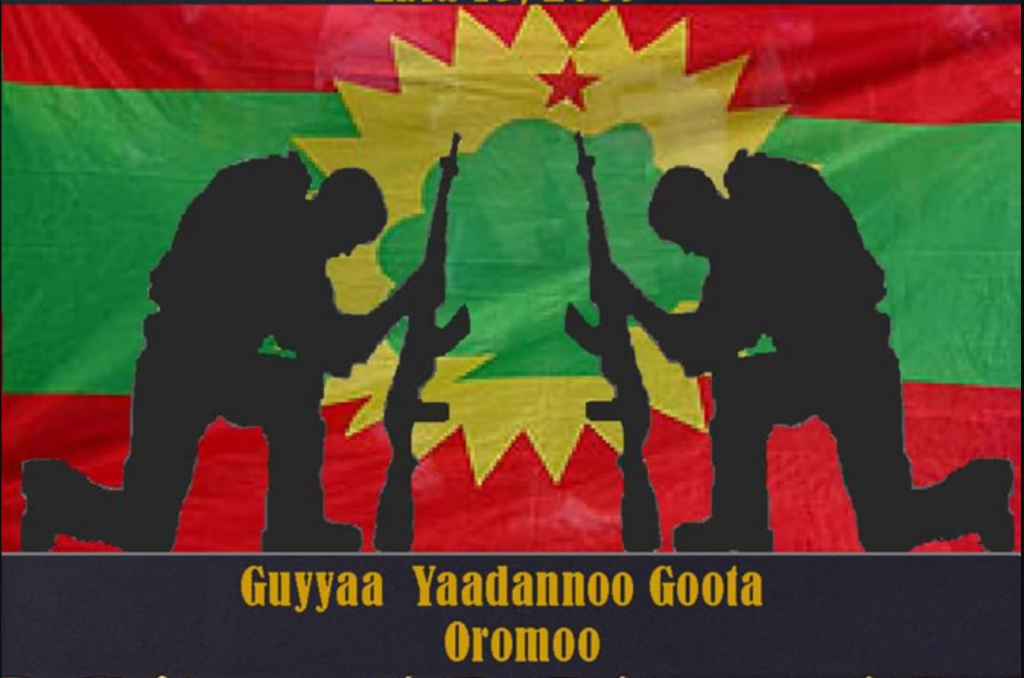
Oromo Martyrs Day – April 15th
April 15th marks Oromo Martyrs Day — a day set aside to remember those who lost their lives in the struggle for justice and dignity.
It’s easy to focus only on how they died. But that’s not the whole story. What often gets overlooked is how they lived — the choices they made, the risks they took, and the quiet determination they carried even when the cost was high.
Some stood up when it would have been safer to stay silent. Others held onto their identity and beliefs in the face of constant pressure. Their courage wasn’t always loud or dramatic, but it was real, and it mattered.
This day isn’t only about grief. It’s also about responsibility. Remembering them means asking what their sacrifices call us to do now — in our communities, in our words, and in how we respond to injustice when we see it.
Their legacy isn’t just something to look back on. It’s something that shows up in everyday decisions, often in small ways that don’t make headlines but still carry meaning